PUBLIC FOUNTAINS IN EUROPE
A Refreshing Take
Research by Alice Bazzichelli
Fountains have long been integral to Europe's urban landscapes, serving both aesthetic and practical purposes. Access to clean drinking water is a fundamental right recognized across Europe, and the European Union's Drinking Water Directive (2020/2184) ensures that member states provide high-quality drinking water for all citizens[1]. This directive underscores the importance of making potable water available in public spaces, leading to initiatives that encourage the installation of public drinking fountains across the continent, and posing certain limits for environmental hormones such as bisphenol to keep the water healty. It’s also true that piped drinking fountains significantly reduce CO₂ emissions by decreasing the need for bottled water production and transportation. In Germany, approximately 438,000 tons of crude oil are required each year to manufacture around 17 billion single-use plastic bottles.[2]
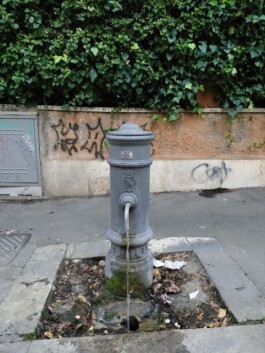
Italy stands out for having one of the most extensive networks of public drinking fountains in Europe, known as “nasoni” (big noses) which offer free access to potable water throughout urban areas. While Germany has around 1,300 public drinking fountains nationwide[3], Rome alone boasts over double this amount. These distinctive cast-iron fountains, typically weighing around 100 kg, feature decorative caps with plant motifs, wolfs or inscriptions, becoming beloved symbols of the city. Beyond being a source of hydration for passersby, especially during warm summer days, they are also integral to daily life of street cleaners filling buckets, people leaving messages, and gelato-sticky hands being rinsed clean.
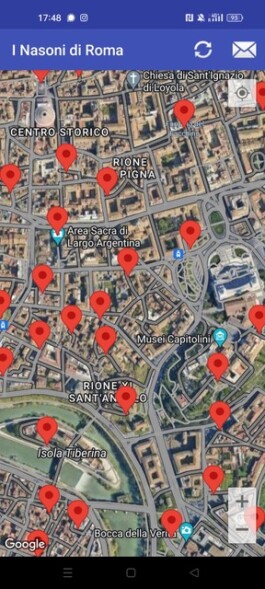
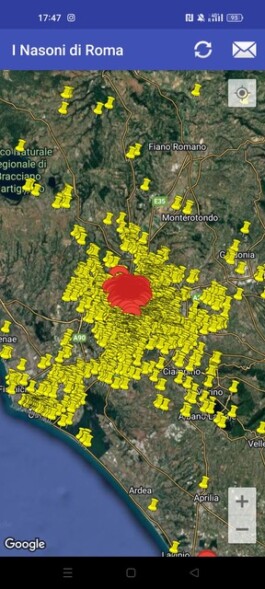
ACEA, the Municipal Utility for Electricity and Water, has taken steps to map various fountains through its app “Acquea”. Other apps, such as “I Nasoni di Roma”, have been developed.
Austria too boasts a rich tradition of public drinking fountains. One of the most notable milestones in Vienna's water history was the 1873 inauguration of the Wiener Hochquellwasserleitung, which brought fresh alpine water to the city from the Styrian-Lower Austrian Alps. Various cities in Austria benefit from this system, which is essential during extremely hot summer days. Deeply ingrained in Viennese hospitality, some historic cafés even feature their own fountains, allowing guests to refill their glasses freely. A prime example is the iconic Café Sperl, where this tradition highlights the city’s value placed on water as a public good rather than a commodity.
In Paris, the iconic Wallace Fountains stand as enduring symbols of the city's commitment to public welfare. Born from the philanthropy of Richard Wallace in the late 19th century, these elegant green cast-iron fountains were a lifeline after the siege of Paris and la Commune left aqueducts destroyed and water prices soaring. With many forced to buy polluted Seine water or turn to beer as a safer and cheaper alternative, the construction of fountains was was a transformative act of generosity. Today, while most Parisians have access to clean water, these fountains remain a crucial free resource and as beautiful, historical landmarks.
Beyond drinking fountains, some European countries like Switzerland, Serbia, Spain, and Montenegro have taken the concept a step further, allowing fountain bathing. Indeed, while diving in public fountains is generally discouraged or prohibited due to safety, hygiene, and preservation concerns, some cities permits refreshing coolness in the water in the urban context transforming these spaces into lively, temporary swimming spots. On hot days, head down to Steinberggasse in Winterthur, and you'll find residents stripping off and jumping into the water.
Overall, Europe’s fountains not only provide essential hydration but also embody the continent's rich cultural heritage, blending functionality with beauty and serving as timeless landmarks in urban spaces. Their presence and management reflect a city’s commitment to its residents’ wellbeing and its role in shaping the quality of urban life.
[1] https://eur-lex.europa.eu/eli/dir/2020/2184/oj/eng
[2] https://www.aquadona.com/en/info/drinking-fountain-eu-law
