DYNAMIC NEEDS - STATIC DESIGNS
Rethinking Train Stations
Aktionsforschung von Ana Dos Santos
Location
various train stations in Vienna
Period
January 2025
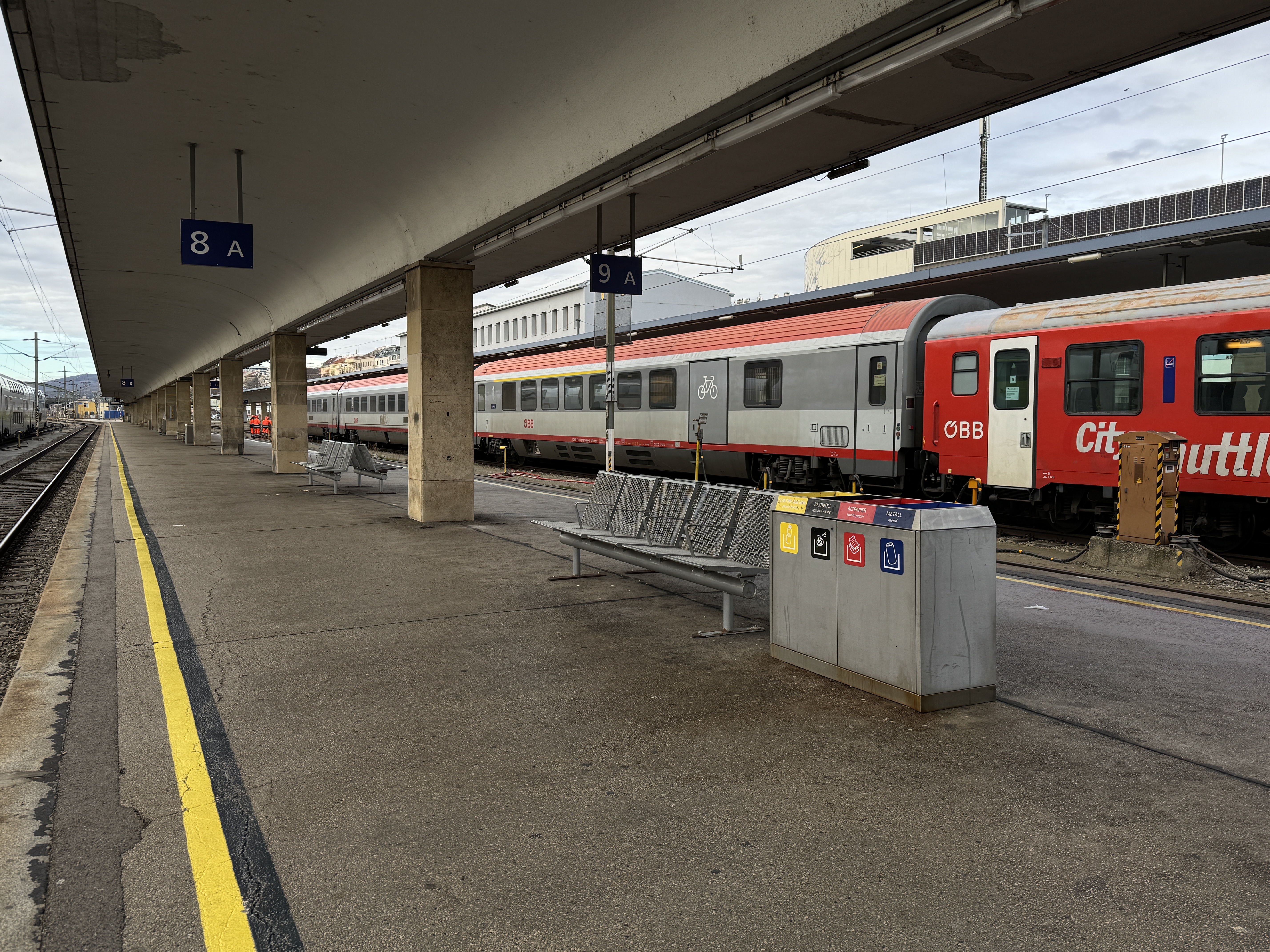
Commuters spend around one hour per day to get to their workplaces, making transitory spaces like train stations a vital part of their everyday lives. Public transport is an important need for many but often falls short as soon as there is an issue in the system, such as trains running late or being overbooked. You quickly see how unfriendly these train tracks are made, it quickly gets crowded, and there’s not enough seating or protection from e.g. cold weather. Additionally, for anyone living with a (temporary) disability, with children or carrying luggage, it just gets worse in terms of comfortability. Stations need to adapt to the needs of their users, especially if we want to push forward public transport as a viable alternative to cars. Moreover, by investing now, the infrastructure for the ever-growing older population would be more present. The stations observed in Vienna are representative of most stations in urban areas in Central Europe.
Defensive Design in Train Stations
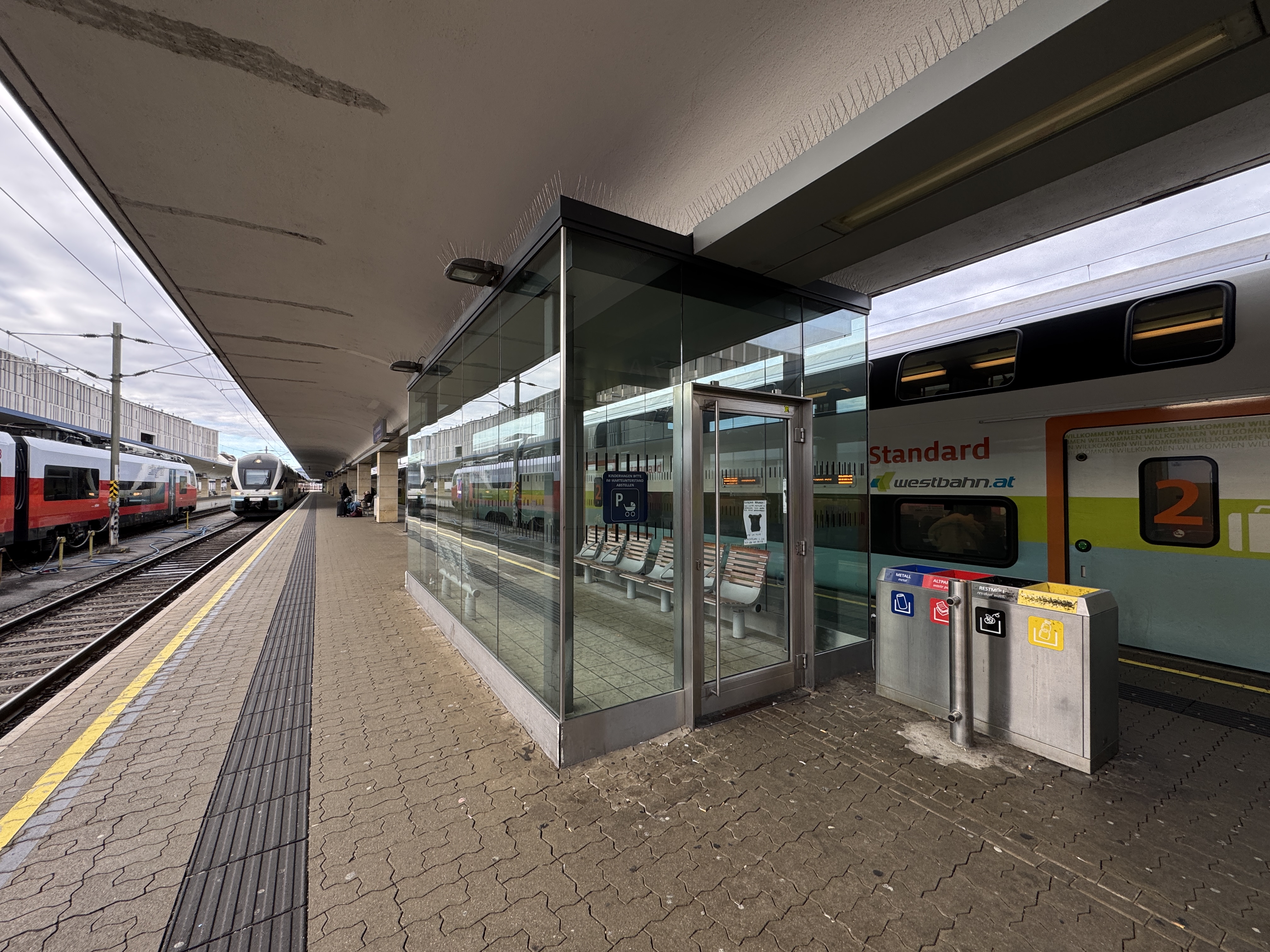
A prominent issue in train station design is defensive design – features intentionally designed to deter "unwanted" people and any “loitering”. For example, benches divided by armrests or replaced with standing benches aim to prevent homeless individuals from lying down. While these measures may try to address one concern (it only relocates the problem elsewhere), they often create unintended problems for the wanted and unwanted public.
Visible and invisible Defensive Design
Divided benches, for instance, are uncomfortable for individuals with “nonstandard” body sizes or those carrying large bags. Standing benches, on the other hand, are difficult to cater both to tall and small people, while also promoting short stays at a location. These designs prioritize control over inclusivity. Instead of solving underlying social issues, such as homelessness, these measures exacerbate discomfort and exclusion. Even the choice of materials contributes to an unpleasing stay, such as the use of metal that stores the cold in winter and warmth in summer.
As Swiss sociologist Lucius Burckhardt noted, design doesn’t lay just in the visible but also in the invisible. Rather than focusing on the singular object he proposes to address systematic approaches and analyse both visible and invisible design impacting social interactions. Invisible design can manifest as a lack of protection from the weather or seating options. Considering the length and space that bigger stations have, why only have around 30 seats for a train transporting hundreds of passengers? Lack of infrastructure also communicates who is wanted at the station, being passengers using transport and even they are not supposed to linger for long. Additionally, defensive design limits the functionality of public spaces. Train stations
are not just transitory spaces but also places where people wait – sometimes for extended periods due to delays. Providing adequate, comfortable seating would benefit all users and reduce congestion in busy areas, such as station platforms and waiting halls.
Rethinking Stationary Furniture
Why is a place with such a dynamic life so statically designed? Unforeseen circumstances and overcrowding highlight the need for more flexible solutions. For instance, foldable or expandable seating could provide additional seating options for those who need it. Such furniture could be designed to balance accessibility and space-saving practicality, even if operated with assistance from station staff. Furthermore, incorporating modular furniture could offer adaptability. These designs could allow stations to adjust seating layouts based on passenger flow, ensuring functionality without resorting to exclusionary tactics.
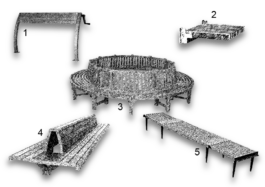
While not perfect, these wooden seats are better options than the existing ones and are more pleasant in all weather conditions.
1) Seat 1 aims for compromise with Train Stations, featuring a defensive yet adaptable design with a height-adjustable crank handle.
2) This seat can be used on walls and pillars for flexible, storable seating.
3) This is another option to be put around pillars for additional seating
4) The 360-degree seating option creates more seating for both sides of the tracks.
5) This wooden bench is extendable on both sides, again adding more seats.
Invest now for the future
Central European cities must balance functionality with empathy to create truly inclusive train stations. Defensive Design often alienates users rather than addressing underlying issues. By prioritizing flexible furniture, accessible information, and thoughtful design, train stations can better serve as hubs of mobility and connection for all.